Benign prostatic hyperplasia (BPH) is a common medical condition characterized by the non-cancerous enlargement of the prostate gland . As the prostate grows, it can compress the urethra , leading to various lower urinary tract symptoms such as a weak urine stream, frequent urination, and a persistent feeling that the bladder is not empty . This condition primarily affects aging men, with prevalence increasing significantly after the age of 50.
While the exact cause of BPH is not fully understood, it is believed to be linked to hormonal changes associated with aging . Diagnosis typically involves a physical examination, including a digital rectal exam, and may be supplemented by blood tests like the Prostate-Specific Antigen (PSA) test to rule out malignancy.
Treatment options vary based on the severity of the symptoms . For mild cases, "watchful waiting" or lifestyle adjustments may be recommended . If symptoms become bothersome, medications such as alpha-blockers or 5-alpha reductase inhibitors are often prescribed to relax the bladder neck or shrink the prostate . In more severe instances where medication is ineffective, minimally invasive procedures or surgical interventions, such as a Transurethral Resection of the Prostate (TURP), may be necessary to restore normal urinary flow
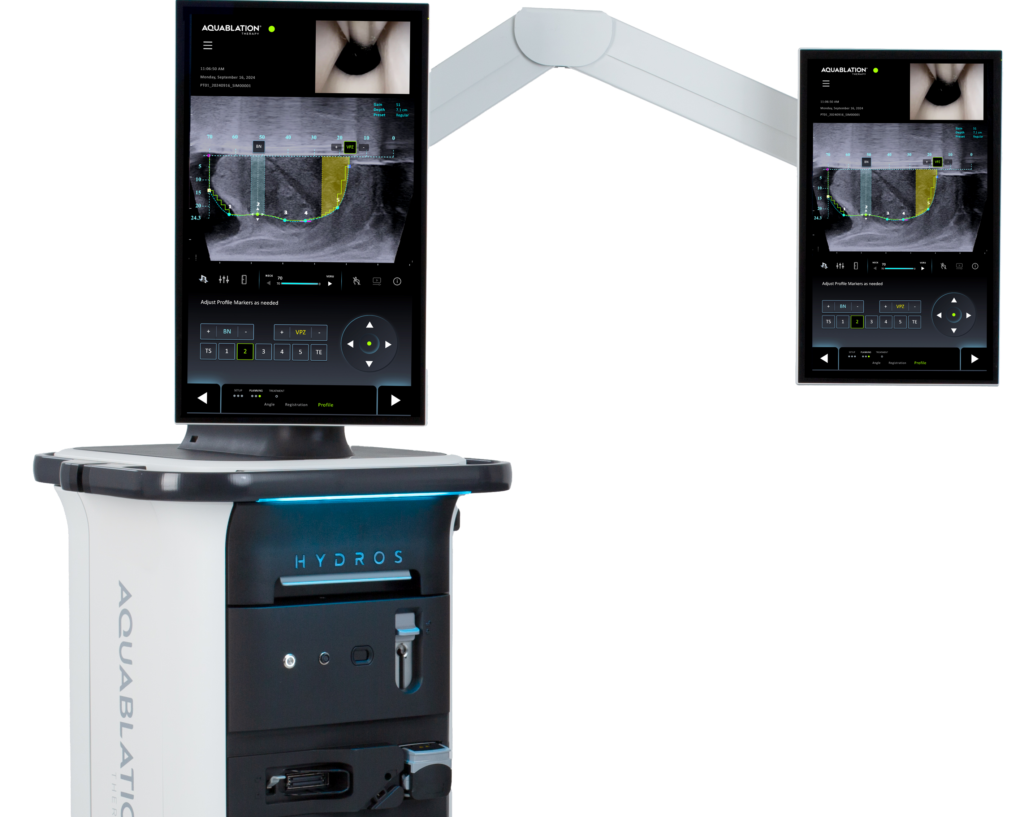 Figure 1: Aquablation Machine (click for larger image.)